


Rural Waste Management in Koon Pha Lar Village
Waste management is a growing concern in many parts of the world, particularly in rural areas where resources and infrastructure may be limited. However, with the support of Prevent Plastics Myanmar and Thant Myanmar’s rural waste management team, some communities are making great strides in addressing this issue. One such success story can be found in Koon Pha Lar Village in Nyaung Oo, Mandalay.
Koon Pha Lar Village is a small community with 120 households, whose main source of income comes from growing peanut and sesame crops. Until recently, waste management was not a priority in the village, and residents often disposed of their trash haphazardly, leading to unsanitary conditions and environmental degradation.
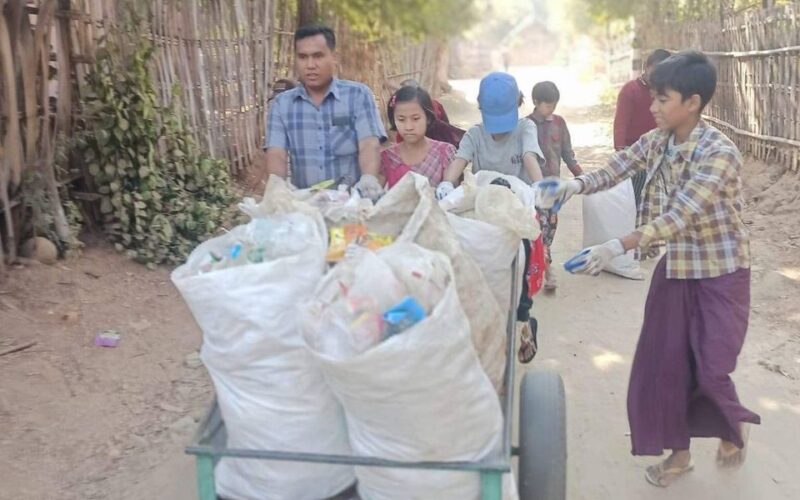
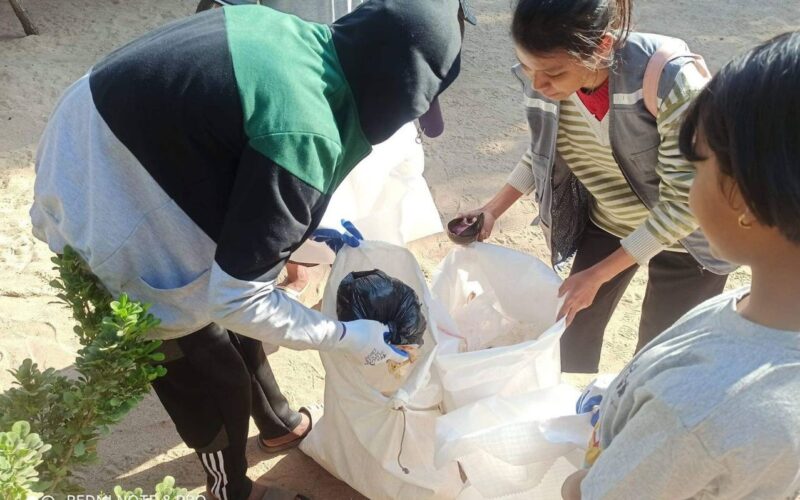
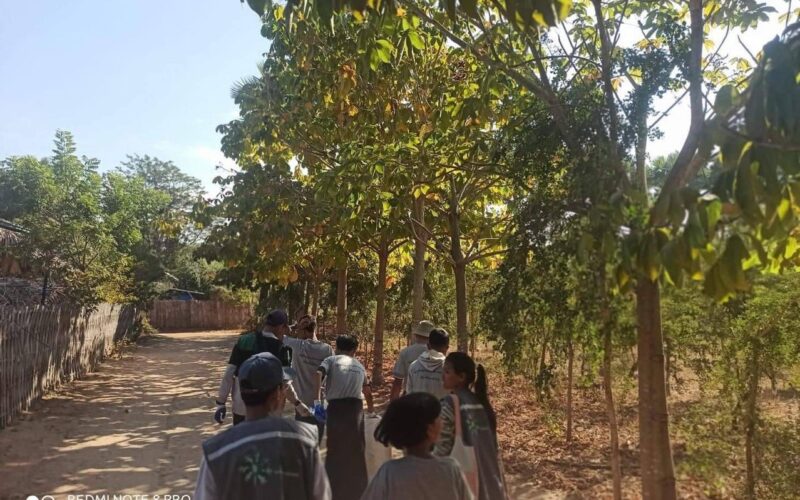
However, with the support of Prevent Plastics Myanmar and Thant Myanmar’s rural waste management team, Koon Pha Lar Village was able to establish a systematic waste collection and management system. The program involved training and education for the community members on the importance of waste reduction and proper disposal, as well as the implementation of a waste collection system.
Under the new system, waste is collected twice a week from designated collection points throughout the village. The collected waste is then transported to a central location for sorting and processing. Organic waste is composted, while non-organic waste is either recycled or sent to a landfill & incinerate.
The impact of this program has been significant. The village is now cleaner and more hygienic, and residents report feeling a greater sense of community pride. Additionally, the program has created job opportunities for local residents, as they are employed to collect and sort the waste.
Perhaps most importantly, this program has had a positive impact on the environment. By properly managing their waste, the residents of Koon Pha Lar Village are reducing their contribution to the global waste problem and taking a step towards a more sustainable future.
The success of this program in Koon Pha Lar Village demonstrates the importance of community-led initiatives in addressing waste management challenges. With the right education, training, and infrastructure in place, even small rural communities can make a significant impact on the environment and improve their quality of life.
Latest News
-

World Environment Day 2025
In celebration of World Environment Day 2025 under
-

Community Coming Together - Sharing and Supporting as One
In late March, a powerful earthquake struck near S
-

Myanmar-European Empowerment Programme (MEETup) Youths in Action
Under the Myanmar-European Empowerment Programme (
-

Waste Management in Bago Monastic Education; Pan Pyo Lat
Prevent Plastics Myanmar, in collaboration with Th
-

Mantas & Mobula Rays Talk by Myanmar Ocean Project
The Myanmar Ocean Project and Goethe-Institut Myan
This website was created and maintained with the financial support of the European Union. Its contents are the sole responsibility of the Prevent Plastics project and do not necessarily reflect the views of the European Union.
©2026 Prevent Plastics+. Developed by


This website was created and maintained with the financial support of the European Union. Its contents are the sole responsibility of the Prevent Plastics+ project and do not necessarily reflect the views of the European Union.
©2026 Prevent Plastics+. Developed by